
Introduction
DON WILLIAMS DIDN'T ANNOUNCE HIS GOODBYE — HE JUST SANG IT SLOWER
There are performers who treat the final chapter like a parade—confetti, spotlights, speeches polished like trophies. Don Williams never belonged to that kind of exit. If anything, he spent a career teaching country music's most difficult lesson: you don't have to shout to be heard. Sometimes the most powerful sound in the room is the hush that follows a line spoken truthfully.
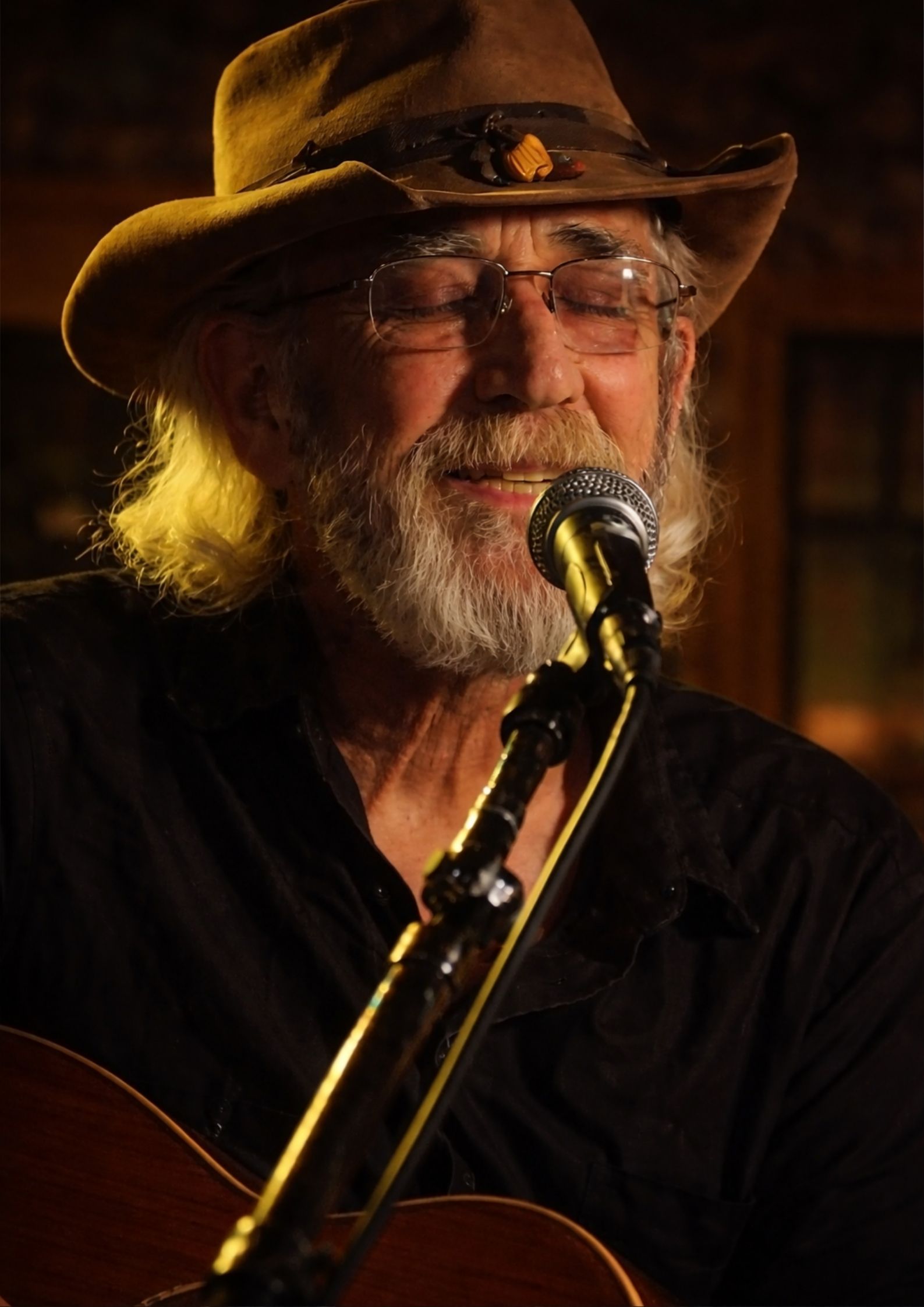
So when the time came—when the road had already taken its quiet toll and the calendar was beginning to thin—Don didn't issue a press release. He didn't sell a farewell tour as a victory lap. He didn't stand under a banner that told the audience exactly what they were supposed to feel. On one of his last nights on stage, he simply walked out the way he always did: calm, steady, almost modest in his own spotlight, like a man arriving to do honest work.
But something was different.
Not dramatic. Not obvious. Just… different.
The tempo was slower. The pauses were longer. Each lyric felt measured, as if he were choosing carefully which truths were still worth saying out loud—and which ones should be left to the listener to carry home. It didn't feel like a show designed to win the night. It felt like a quiet accounting of a lifetime spent singing without pretension.
A Different Kind of Silence
At first, the crowd didn't realize what they were witnessing. There was no announcement between songs. No "this might be my last time" speech. Don didn't ask to be remembered. He didn't set the table for tears.
He just sang—unhurried, unforced—and the room began to change around him.
You could feel it in real time: conversations stopped mid-sentence. Phones lowered. Clapping that would normally fill the spaces between lines softened, not because anyone was less moved, but because people sensed something fragile. React too loudly and you might break it. The stillness became a kind of shared respect—an agreement, almost, that this wasn't a night for spectacle. This was a night for listening.
Don Williams never raised his voice. He didn't have to. His restraint carried a weight applause never could. That had always been part of the "Gentle Giant" mystery: he didn't perform like he was selling you something. He performed like he was offering you something—a steady hand, a plainspoken melody, a voice that made life feel less sharp at the edges.

When a Song Becomes a Memory
As the set moved forward, the slower pace began to feel less like a limitation and more like a deliberate choice. He let certain words land longer than they used to. A line you'd heard a hundred times suddenly sat in the air like a sentence you were hearing for the first time—because now it wasn't just lyric. It was legacy.
That's what happens when an artist stops chasing momentum and starts honoring meaning. The audience doesn't simply listen; they review their own lives. They remember kitchen radios and late-night drives. They remember how Don's voice could fill a room without changing its temperature—warm, calm, quietly certain. People think of small heartbreaks that felt private until a song gave them permission to feel them.
And in that room, with the tempo slowed down and the pauses stretched wider, it wasn't only Don Williams telling a story. Everyone was.
No Encore, No Explanation
Then it ended the only way it could have ended for him: without a headline.
When the final note faded, Don didn't linger to soak up praise. He didn't circle the stage. He didn't deliver a speech about gratitude or the road or the years. He simply nodded once and walked offstage.
No encore. No announcement. No return.
In another artist's world, that might feel unfinished. In Don Williams' world, it felt honest. Consistent. Almost merciful—because he didn't force the audience to perform their grief on command. He didn't demand a public emotional moment. He let people feel what they felt in their own way, at their own pace.
Some men leave with applause. Don Williams left with understanding.

The Goodbye You Recognize Later
People didn't rush the exits. They didn't immediately turn the night into a celebration or a tragedy. They stood there a moment longer than usual, absorbing what they couldn't quite explain. The applause came—of course it did—but softer than expected, like it was honoring the silence as much as the sound.
And later, days or months afterward, many would realize what they had witnessed: a goodbye that didn't announce itself. A farewell that didn't ask permission to be final. Don didn't change his message. He changed his pace. He slowed the songs down until the meaning had room to breathe.
Don Williams didn't announce his goodbye. He just sang it slower.
And in that slow space—between notes, between words, between a final nod and the dark—an entire room understood what it had just been given.