
Introduction
The Gentle Voice That Spoke for the Quiet Ones: Don Williams and the Love We Never Learned to Say Out Loud
"HE SANG LOVE SONGS FOR PEOPLE WHO NEVER SAID MUCH." It's a line that lands like a memory—simple, unshowy, and somehow truer than most speeches. Don Williams was never the loudest voice in the room, and that was precisely his power. In a music world that often rewards the big moment—the high note, the dramatic pause, the spotlight held just a little too long—Williams built a legacy on restraint. He didn't chase applause. He didn't need to. His songs didn't push their way into your life; they slipped in quietly, the way real life does.
If you grew up around people who worked with their hands, you know the language he was speaking. Love wasn't delivered in grand declarations. Love looked like fixing a fence before the weather turned. It sounded like a coffee pot clicking on before dawn. It felt like a steady presence at the table—someone staying when it would've been easier to walk away. Don Williams understood that kind of devotion, and he wrote for it. Not the love that performs, but the love that persists.
That's why so many men—especially men raised to keep feelings behind their teeth—recognized themselves in his music. They didn't have to translate his words into something safe. They didn't have to pretend they weren't moved. Williams made tenderness feel dignified. He made it normal. And for listeners who spent years believing emotion was a weakness, his songs offered a different truth: that quiet love is still love, and sometimes it's the strongest kind.
Women heard something equally profound. In a single line, he could hold decades of patience—years of carrying the weight of ordinary life, years of forgiving small failures, years of choosing the same person again and again. His voice didn't demand attention; it invited trust. You could play his songs in the kitchen, on the highway, in a living room after everyone had gone to bed—and somehow they fit. They didn't interrupt your life. They matched it.
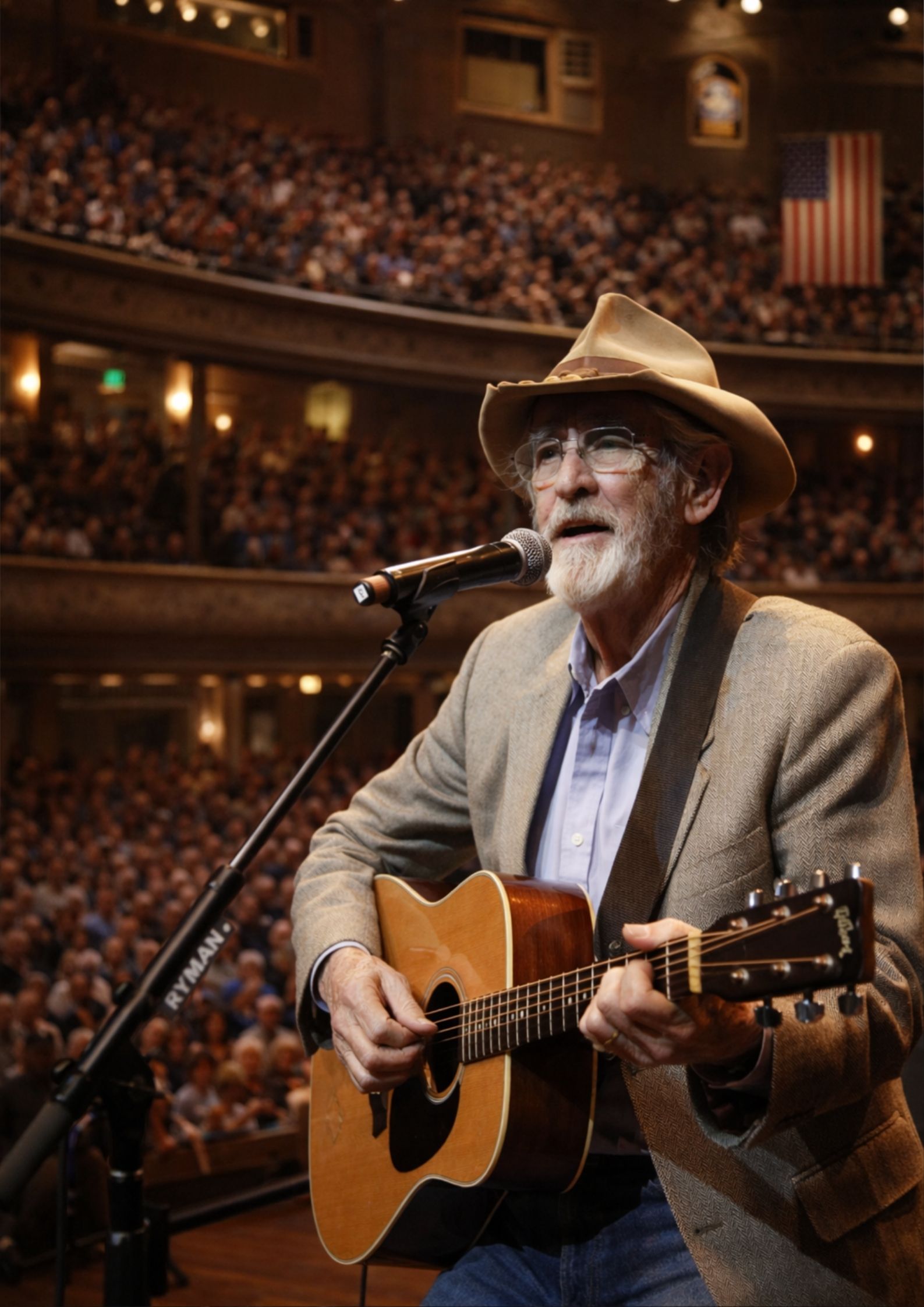
Go back and picture a Don Williams concert. There wasn't the chaos of a stadium spectacle. People didn't sob into their hands or scream to be seen. They listened. They nodded. Sometimes they smiled like they'd just been reminded of something important. The room felt less like a performance and more like a gathering—an honest meeting between a singer and the people he understood. And when they went home, many didn't suddenly become talkers. They didn't change personalities overnight. But they went home softer. They said less—yet they meant more.
That is a rare gift in any art form: to make people kinder without preaching, to make them more grateful without scolding, to make them brave enough to feel without asking them to confess. Don Williams did it with calm phrasing, clean melodies, and a voice that carried no ego—only steadiness. The kind of steadiness that older listeners recognize immediately, because they've lived long enough to know what lasts.
And there's a reason those songs still follow people long after the last note fades. They follow you into the years when the house gets quieter. When friends are fewer, but more precious. When love becomes less about fireworks and more about showing up—again and again—without making a show of it. His music becomes a companion for the chapters we don't post online, the chapters we simply endure and cherish.
So here's a question worth asking, especially if you're someone who has lived through real seasons of love: Which Don Williams song still finds you at the right moment? Is it the one that reminds you of a spouse who stayed faithful through hard times? A parent who never said "I love you," but proved it every day? A marriage that wasn't perfect, but was real?
If his songs ever helped you say something you couldn't otherwise say—drop a line about it. Tell people which lyric felt like it was written for your life. Because the quiet ones deserve a choir too. And Don Williams—gentle, steady, unshakably human—gave them one.